Buy caption-youngnails.be ?
We are moving the project
caption-youngnails.be .
Are you interested in purchasing the domain
caption-youngnails.be ?
domain@kv-gmbh.de · 0541-91531010
Buy caption-youngnails.be ?
What is a possessive pronoun in English?
A possessive pronoun in English is a pronoun that shows ownership or possession. Examples of possessive pronouns include "mine," "yours," "his," "hers," "ours," and "theirs." These pronouns are used to indicate that something belongs to a specific person or group. Possessive pronouns can stand alone or be used before a noun to show ownership. **
What is the possessive pronoun in Spanish?
The possessive pronoun in Spanish is a word that indicates ownership or possession. It agrees in gender and number with the noun it is referring to. Examples of possessive pronouns in Spanish include "mi" (my), "tu" (your), "su" (his/her/its/your formal), "nuestro/a" (our), and "vuestro/a" (your plural). **


Similar search terms for Possessive pronoun
Top-Angebote
Products related to Possessive pronoun:
-
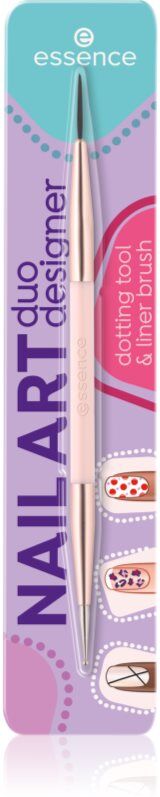
essence NAIL ART Accessoire pour manucure 1 pcsessence NAIL ART, 1 pcs, Limes à ongles et manucure pour femme, Élargissez vos possibilités et relookez vos ongles comme personne. Le produit essence NAIL ART vous aidera à réaliser des manucures dignes de pros à la maison. Il améliorera votre routine et complétera à merveille les outils ou les produits de beauté que vous utilisez déjà. Ce produit fera en sorte que vos ongles aient toujours une forme parfaite et une apparence soignée, et que vos mains soient votre plus belle carte de visite. Le produit : idéal pour des soins manucures parfaits dimensions optimales qui garantissent une manipulation aisée2,07 €*Shipping: 3,45 €Secure redirect to the provider


-
What is the difference between a possessive pronoun and a possessive adjective?
A possessive pronoun replaces a noun and shows ownership or possession, such as "mine," "yours," "his," "hers," "ours," and "theirs." On the other hand, a possessive adjective modifies a noun to show ownership or possession, such as "my," "your," "his," "her," "our," and "their." In essence, possessive pronouns stand alone, while possessive adjectives are used before a noun to describe who owns or possesses it. **
-
What is the difference between a personal pronoun and a possessive pronoun?
A personal pronoun is used to replace a noun and refers to a specific person or thing, such as "he," "she," or "they." On the other hand, a possessive pronoun shows ownership or possession, such as "his," "her," or "their." Personal pronouns indicate who is performing the action in a sentence, while possessive pronouns indicate who owns or possesses something. **
-
What is the possessive pronoun for the 3rd person singular in Norwegian?
The possessive pronoun for the 3rd person singular in Norwegian is "hans" for masculine gender and "hennes" for feminine gender. These pronouns are used to show possession or ownership of something by a singular third person. For example, "hans bil" means "his car" and "hennes bok" means "her book". **
-
In French, do you use an apostrophe with the interrogative pronoun "quelle" and the possessive determiner "ma"?
Yes, in French, you use an apostrophe with the interrogative pronoun "quelle" and the possessive determiner "ma" when they are followed by a word starting with a vowel or a silent "h". For example, "quelle est ton adresse?" (What is your address?) and "ma amie" (my friend). **


Is the friend possessive?
Yes, the friend is possessive. This is evident from the fact that they are trying to control the narrator's actions and decisions, as well as expressing jealousy and possessiveness over the narrator's other relationships. The friend's possessive behavior is unhealthy and can be damaging to the narrator's well-being and independence. It is important for the narrator to set boundaries and communicate their needs in order to maintain a healthy friendship. **
What does possessive mean?
Possessive refers to showing ownership or control over something. It is used to indicate that something belongs to or is associated with a particular person or thing. In grammar, possessive forms are used to show that a noun belongs to someone or something. **
Top-Angebote
Products related to Possessive pronoun:
-
Nail HQ Nail Art Brush pinceau double embout ongles 1 pcsNail HQ Nail Art Brush, 1 pcs, Manucure pour femme, Élargissez vos possibilités et relookez vos ongles comme personne. Le produit Nail HQ Nail Art Brush vous aidera à réaliser des manucures dignes de pros à la maison. Il améliorera votre routine et complétera à merveille les outils ou les produits de beauté que vous utilisez déjà. Ce produit fera en sorte que vos ongles aient toujours une forme parfaite et une apparence soignée, et que vos mains soient votre plus belle carte de visite. Le produit : une application facile qui vous garantit des résultats rapides et précis idéal pour des soins manucures parfaits dimensions optimales qui garantissent une manipulation aisée Mode d’emploi : Respectez le manuel d’utilisation fourni. Utilisez selon les besoins.4,23 €*Shipping: 3,45 €Secure redirect to the provider
-
Notino Nail Tools Manicure set kit manucureNotino Nail Tools Manicure set, , Soins des ongles mixte, Le produit : forme et raccourcit les ongles constitue le cadeau idéal idéal pour les déplacements supprime la peau sèche, rugueuse et grossière qui se trouve autour des ongles12,10 €*Shipping: 3,45 €Secure redirect to the provider
-
essence NAIL ART Accessoire pour manucure 1 pcsessence NAIL ART, 1 pcs, Limes à ongles et manucure pour femme, Élargissez vos possibilités et relookez vos ongles comme personne. Le produit essence NAIL ART vous aidera à réaliser des manucures dignes de pros à la maison. Il améliorera votre routine et complétera à merveille les outils ou les produits de beauté que vous utilisez déjà. Ce produit fera en sorte que vos ongles aient toujours une forme parfaite et une apparence soignée, et que vos mains soient votre plus belle carte de visite. Le produit : idéal pour des soins manucures parfaits dimensions optimales qui garantissent une manipulation aisée2,07 €*Shipping: 3,45 €Secure redirect to the provider
-
What is a possessive pronoun in English?
A possessive pronoun in English is a pronoun that shows ownership or possession. Examples of possessive pronouns include "mine," "yours," "his," "hers," "ours," and "theirs." These pronouns are used to indicate that something belongs to a specific person or group. Possessive pronouns can stand alone or be used before a noun to show ownership. **
-
What is the possessive pronoun in Spanish?
The possessive pronoun in Spanish is a word that indicates ownership or possession. It agrees in gender and number with the noun it is referring to. Examples of possessive pronouns in Spanish include "mi" (my), "tu" (your), "su" (his/her/its/your formal), "nuestro/a" (our), and "vuestro/a" (your plural). **
-
What is the difference between a possessive pronoun and a possessive adjective?
A possessive pronoun replaces a noun and shows ownership or possession, such as "mine," "yours," "his," "hers," "ours," and "theirs." On the other hand, a possessive adjective modifies a noun to show ownership or possession, such as "my," "your," "his," "her," "our," and "their." In essence, possessive pronouns stand alone, while possessive adjectives are used before a noun to describe who owns or possesses it. **
-
What is the difference between a personal pronoun and a possessive pronoun?
A personal pronoun is used to replace a noun and refers to a specific person or thing, such as "he," "she," or "they." On the other hand, a possessive pronoun shows ownership or possession, such as "his," "her," or "their." Personal pronouns indicate who is performing the action in a sentence, while possessive pronouns indicate who owns or possesses something. **
Similar search terms for Possessive pronoun
-
NEONAIL Nail Art Kolinsky Thin Brush pinceau multifonctionnel ongles 1 pcsNEONAIL Nail Art Kolinsky Thin Brush, 1 pcs, Modelage des ongles pour femme, Élargissez vos possibilités et relookez vos ongles comme personne. Le produit NEONAIL Nail Art Kolinsky Thin Brush vous aidera à réaliser des manucures dignes de pros à la maison. Il améliorera votre routine et complétera à merveille les outils ou les produits de beauté que vous utilisez déjà. Ce produit fera en sorte que vos ongles aient toujours une forme parfaite et une apparence soignée, et que vos mains soient votre plus belle carte de visite. Le produit : une application facile qui vous garantit des résultats rapides et précis idéal pour des soins manucures parfaits dimensions optimales qui garantissent une manipulation aisée8,40 €*Shipping: 3,45 €Secure redirect to the provider
-
NEONAIL Nail Art Kolinsky Oval Brush pinceau multifonctionnel ongles 1 pcsNEONAIL Nail Art Kolinsky Oval Brush, 1 pcs, Modelage des ongles pour femme, Élargissez vos possibilités et relookez vos ongles comme personne. Le produit NEONAIL Nail Art Kolinsky Oval Brush vous aidera à réaliser des manucures dignes de pros à la maison. Il améliorera votre routine et complétera à merveille les outils ou les produits de beauté que vous utilisez déjà. Ce produit fera en sorte que vos ongles aient toujours une forme parfaite et une apparence soignée, et que vos mains soient votre plus belle carte de visite. Le produit : une application facile qui vous garantit des résultats rapides et précis idéal pour des soins manucures parfaits dimensions optimales qui garantissent une manipulation aisée8,40 €*Shipping: 3,45 €Secure redirect to the provider
-
What is the possessive pronoun for the 3rd person singular in Norwegian?
The possessive pronoun for the 3rd person singular in Norwegian is "hans" for masculine gender and "hennes" for feminine gender. These pronouns are used to show possession or ownership of something by a singular third person. For example, "hans bil" means "his car" and "hennes bok" means "her book". **
-
In French, do you use an apostrophe with the interrogative pronoun "quelle" and the possessive determiner "ma"?
Yes, in French, you use an apostrophe with the interrogative pronoun "quelle" and the possessive determiner "ma" when they are followed by a word starting with a vowel or a silent "h". For example, "quelle est ton adresse?" (What is your address?) and "ma amie" (my friend). **
-
Is the friend possessive?
Yes, the friend is possessive. This is evident from the fact that they are trying to control the narrator's actions and decisions, as well as expressing jealousy and possessiveness over the narrator's other relationships. The friend's possessive behavior is unhealthy and can be damaging to the narrator's well-being and independence. It is important for the narrator to set boundaries and communicate their needs in order to maintain a healthy friendship. **
-
What does possessive mean?
Possessive refers to showing ownership or control over something. It is used to indicate that something belongs to or is associated with a particular person or thing. In grammar, possessive forms are used to show that a noun belongs to someone or something. **
* All prices are inclusive of VAT and, if applicable, plus shipping costs. The offer information is based on the details provided by the respective shop and is updated through automated processes. Real-time updates do not occur, so deviations can occur in individual cases. ** Note: Parts of this content were created by AI.